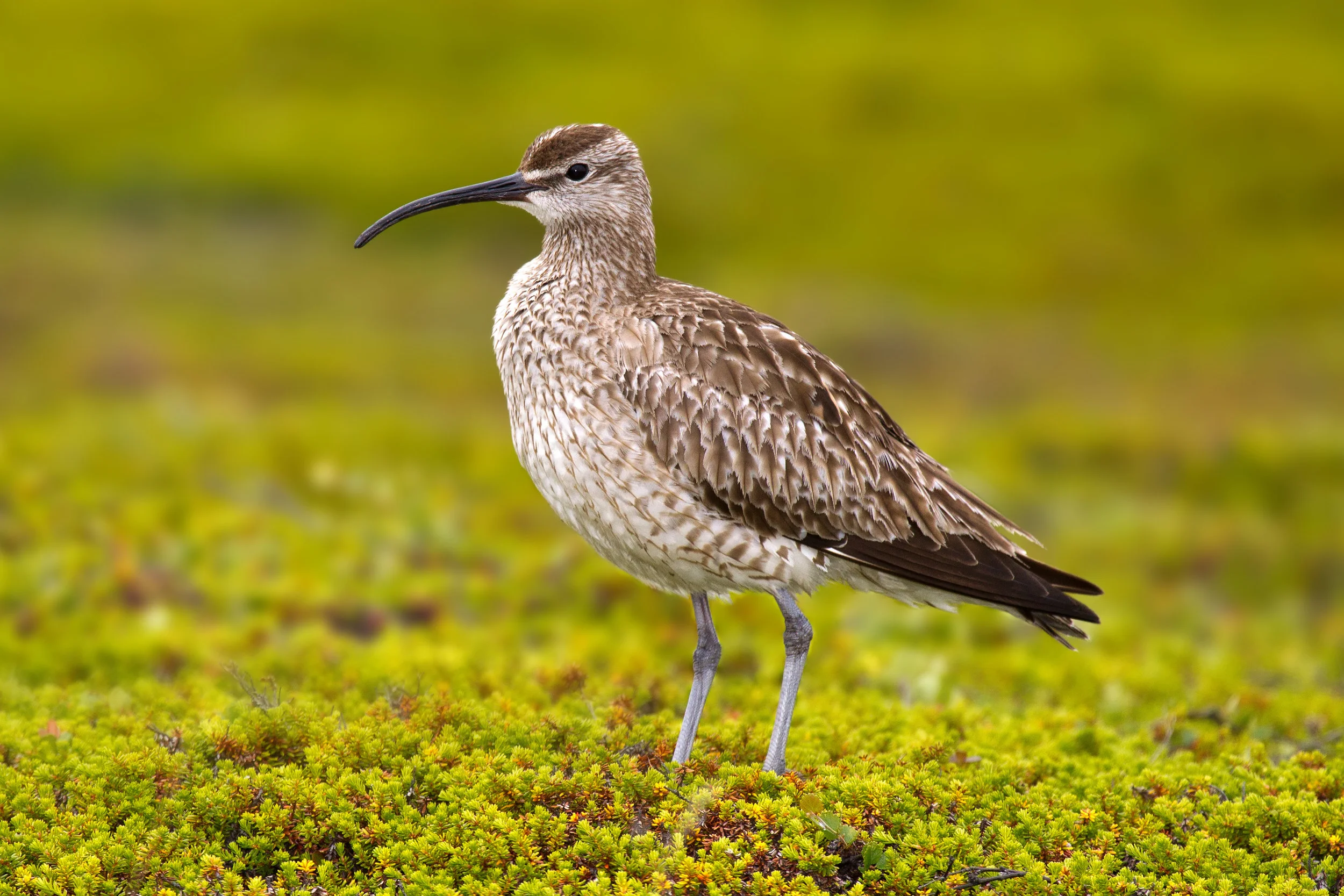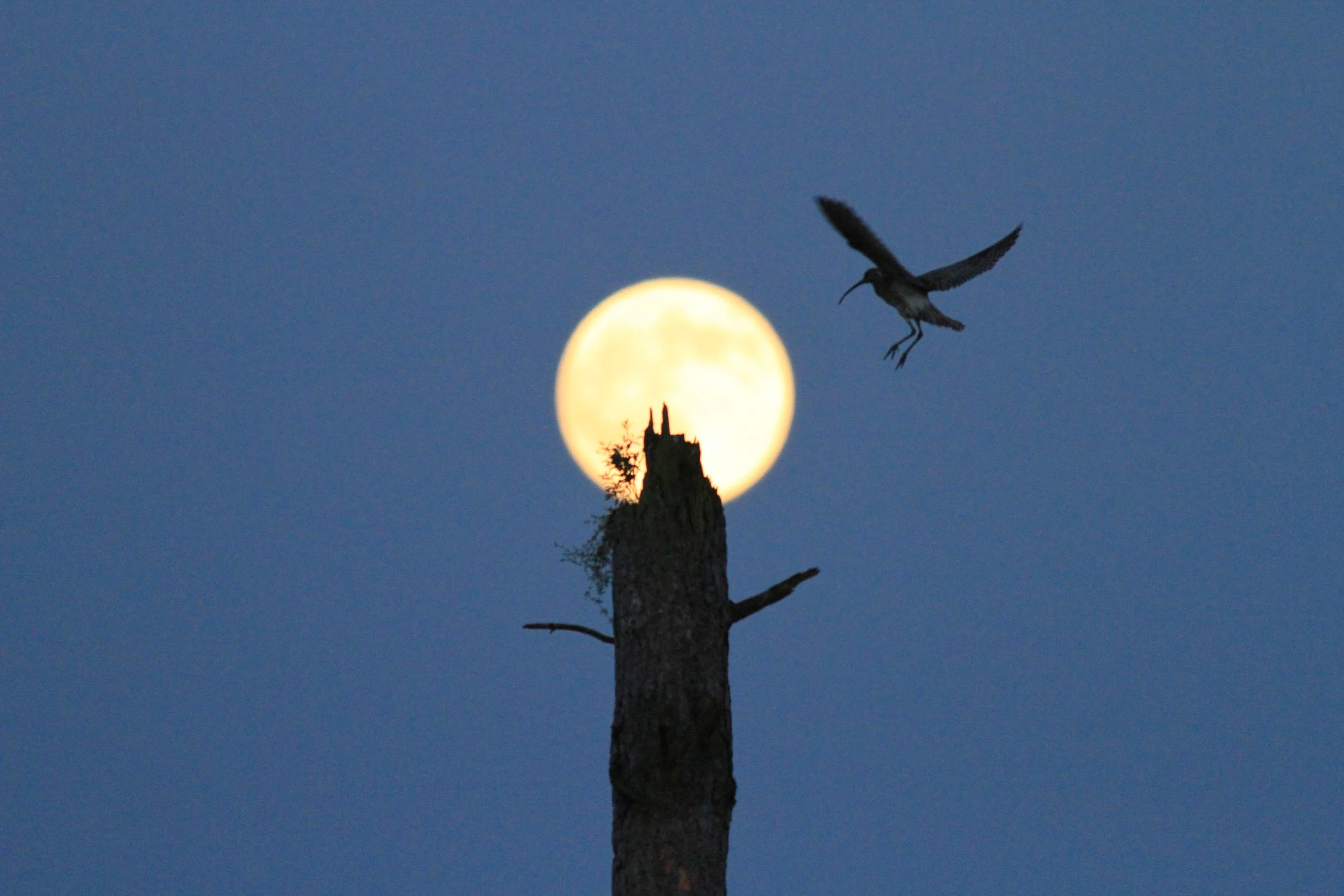
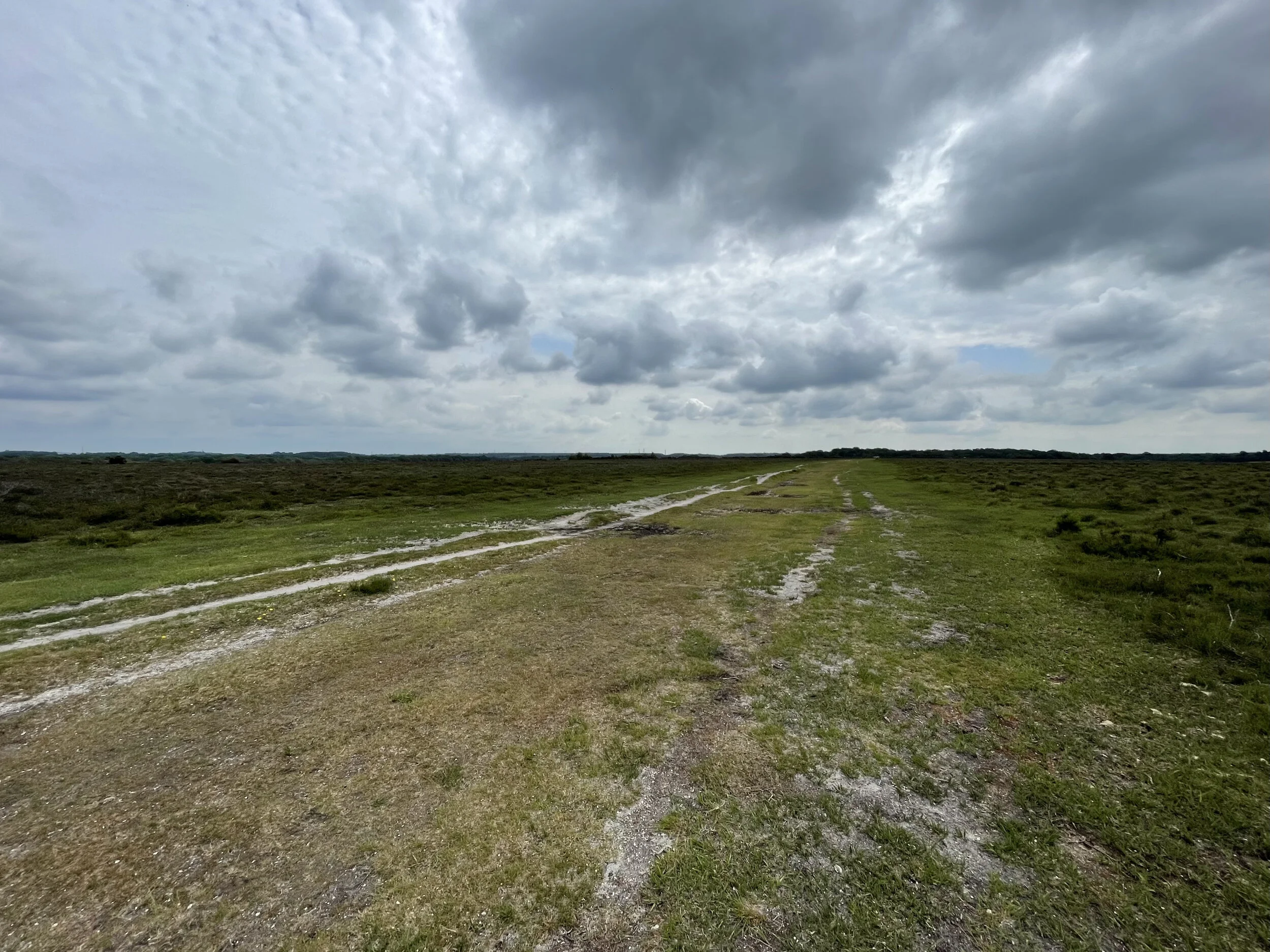
A heavy sky and sultry air hung over the New Forest. I was sitting with Russell Wynn, the Curlew Recovery Partnership Manager, on the rounded hump of an ancient burial chamber; the only high point in a wide expanse of heath and mire which seemed to stretch for miles. Far to the south we could see the chimneys and cranes of Fawley refinery and Southampton docks, and just discernible through the haze, the downland spine of the Isle of Wight. Some distance away a curlew rose and barked a half-hearted alarm. We both looked through binoculars to see what was bothering it, but it can’t have been much as it quickly settled again, languidly drifting back to earth. The heat and the threat of a storm seemed to take the energy out of every living thing, us included. We ate warm strawberries and discussed the fate of curlews in Britain. In the New Forest, Britain’s smallest National Park, numbers have plummeted over the last 30 years, from over 100 pairs to just 45. Over half of the nests are taken at the egg stage and most of the chicks are eaten. The breeding success of the New Forest curlews is woeful, and we await the results of this year’s monitoring. Of the 15 or so territories visible from our watchpoint, only 4 or 5 still had active nests or chicks, so the next few weeks will be crucial.
We were there to see the birds, but also to talk through the big picture – the major issues facing curlews - so that we could concentrate into bullet-points the top priorities for the Curlew Recovery Partnership England. There were no surprises: forestry, agricultural practices, climate change, recreational pressure and dog-walking, urban development, and, of course, predation. All of them are immensely complex issues in a small and crowded country, and all of them create tension and division, but none more so than the role of predators. Predation takes a huge toll on ground nesting waders of all species, but curlews seem to fare the worst. We had seen it for ourselves just that morning.
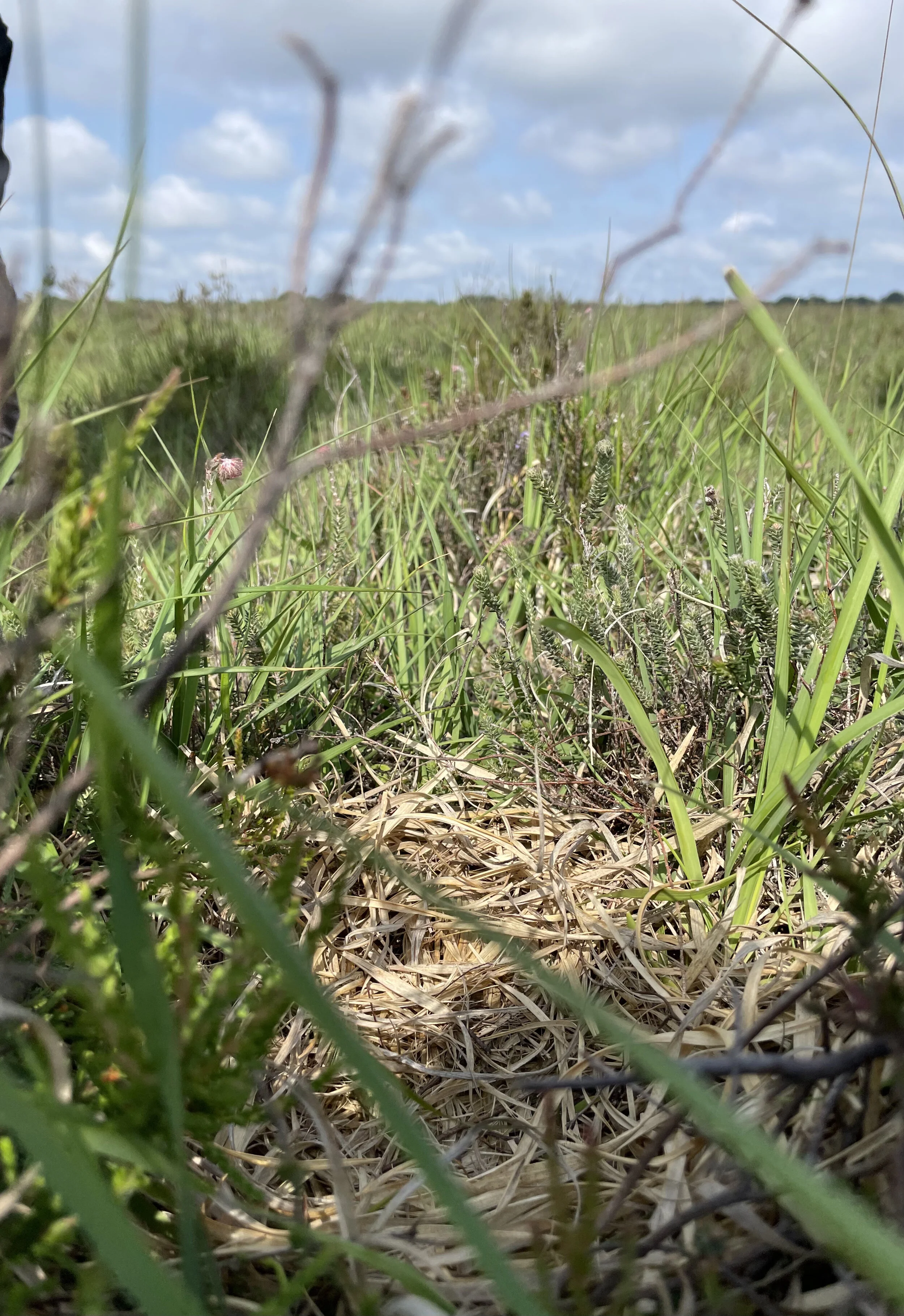
Not far away we had accompanied Ellie Rivers, a PhD student studying the breeding curlews in the New Forest, and Dr Mike Short from the GWCT, to check on a curlew nest which represented a second attempt at breeding after the first was predated soon after laying. We stood a little distance away as Mike quietly approached the scrape, which was hidden from sight in the vegetation. We knew the signs weren’t good. There was no calling, no angry parents whirling and barking at us from above, not one sign of agitation - just a quietness where there should have been energy. And so it proved to be – the nest was empty. The camera-trap footage showed the reason, a fox had arrived in the dead of night and all the eggs were gone. It was the same story for the other four nests in this open area. Ellie was crest-fallen and visibly upset.
On the walk back to the car she talked about the strain of seeing nest after nest fail, how, as a scientist, she had to concentrate on the data and try to remain emotionally detached, but just how difficult that was. The sheer emotional attrition gets to you, wears you down to your core. Living with loss is the lot of curlew researchers and fieldworkers. She and Mike told us about a particularly distressing event. They had gone into a curlew territory to check on a pair that were guarding some chicks just as a fox was picking them off. The parents were hysterical, calling and mobbing, but it made no difference, and the fox left with a mouthful of young curlews. The parent birds then flew around for a while looking agitated and confused, and eventually settled on a mound. They stood close together and the male let out a long wail, a sound which neither Ellie or Mike had heard before. It is rare to see an event like this as it happens, even rarer to see the immediate aftermath. We know from the Shropshire Curlew Cam, which allows us a privileged look at a nest over the four weeks of incubation, just how dedicated the birds are and what vigilant, tender parents they can be. “Maybe it is anthropomorphic to say those curlews were deeply distressed, but that is exactly what it looked like. And why wouldn’t they be? They are sentient creatures,” said Ellie. Mike used the term ‘harrowing’. Both said how hard it was to witness.
Britain has the highest density of foxes and crows in Europe, but the reasons why are not fully understood. Changes in land-use and an abundance of food in both cities and rural areas (urban feeding, countryside littering as well as the left-overs from farming) are certainly factors, maybe also high numbers of game bird releases, road kill and warmer winters, there are many possible factors at play. These will vary in importance from place to place, but the fact is, we have a lot of generalist predators across our landscapes.
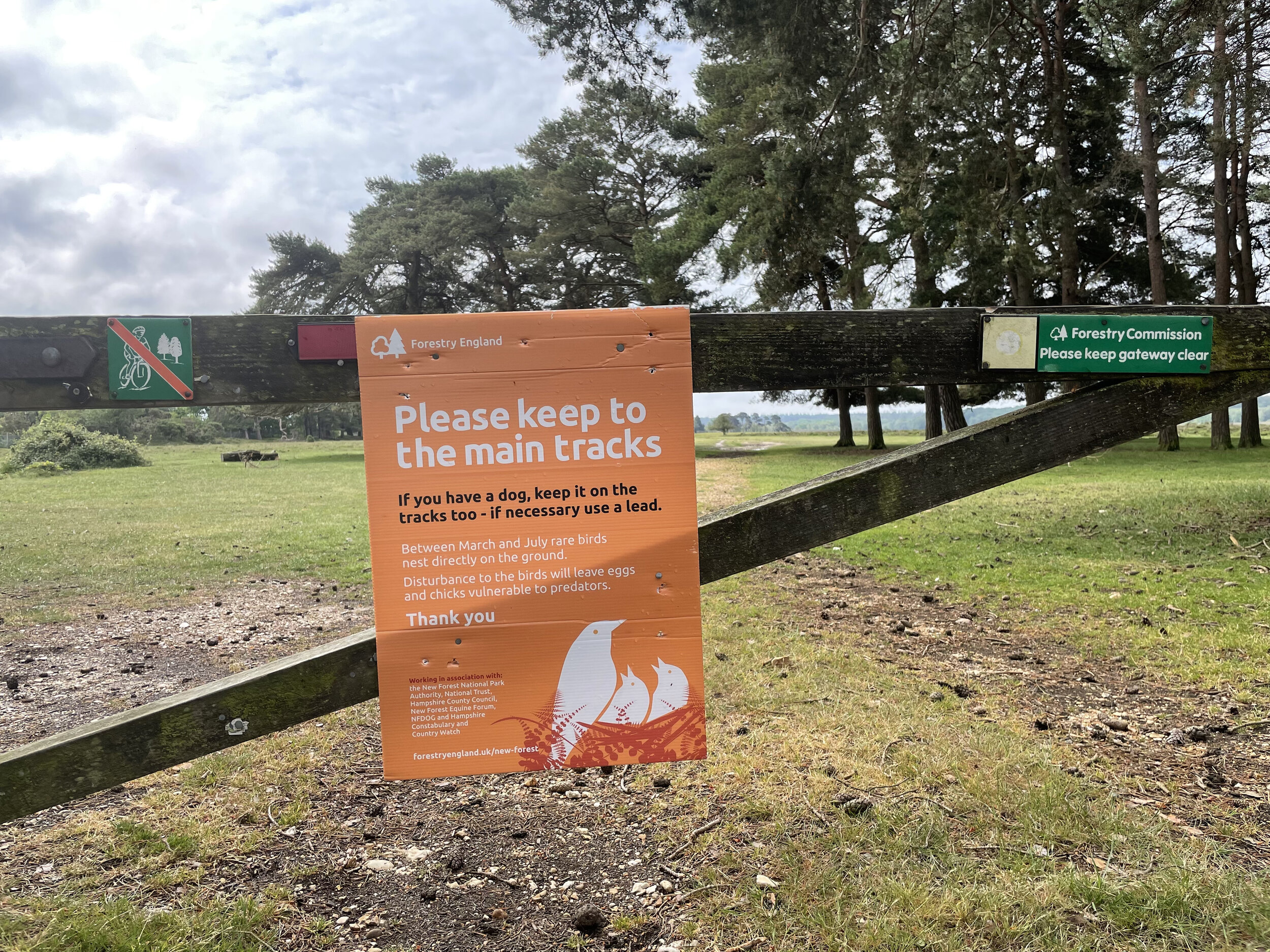
The relentless decline of curlews across their range (particularly in lowland areas), and the enormous forces that are stacked up against them, seems to present a terminal scenario. Even though the New Forest has many officially designated sites for nature protection, such as Special Areas for Conservation (SACs) Special Protection Areas (SPAs), Special Sites of Scientific Interest (SSSIs) and RAMSAR sites (protected wetland areas), they are not enough in themselves to solve the problems for wildlife. People play a decisive role, and in the New Forest, it is complicated. The ancient balance of interest, largely between the landowners (mainly the Crown) and the commoners within the Verderers’ Court, now includes the National Park Authority, Natural England, Forestry England, National Trust, DEFRA, Hants Country Council, dog walkers and tourism interests; all are vying for their share of control. The centuries old landscapes of woodland and open heaths have to be something for everyone, and not everyone tolerates predator control, even the potential erection of electric fences causes controversy. Somehow, curlews try to find the space and the peace to live their lives in this contested and complex landscape. Despite the attention and care of many good people in the area, they are failing to thrive. They are caught in the midst of a range of environmental pressures and human agendas, including the fear of facing head-on the issue of high numbers of generalist predators.
If curlews are to continue to be a part of the suite of New Forest wildlife, reducing the number of creatures that eat them has to be one of a range of options we can deploy, yet it is a subject few will talk about openly. But talk about it we must, and face the facts we must, and then, collectively, make some hard decisions. Simply hoping all will be well and that nature will sort itself out, is not good enough. To save a bird in such steep decline that local extinctions are now a real possibility, leaving them to fate is not an option. We say we are a nation of nature lovers, well, true love never comes alone. Love is always accompanied by responsibility, sacrifice and, at times, painful decision making. We know that from our own lives and relationships, and our relationship with nature is no different. I’m not sure we have grasped that reality for wildlife yet – what exactly ‘love of nature’ actually means - but we are running out of time for the precious bird that is the Eurasian Curlew.